
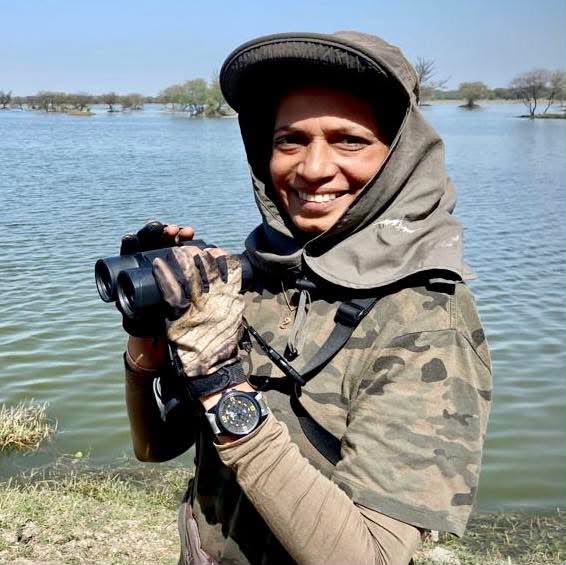
By Prof. Clara Correia
Zoologist & Naturalist
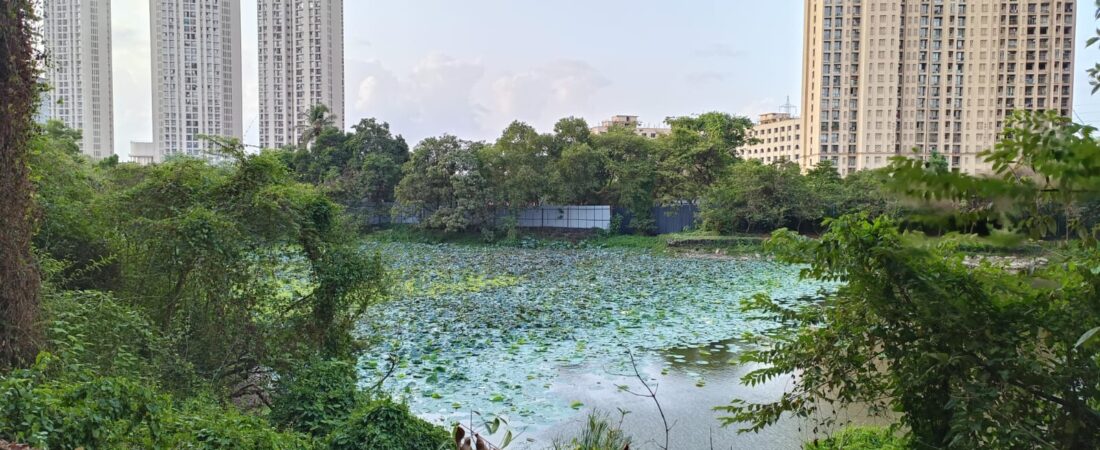
Nestled amidst the high-rise skyline of Hiranandani Estate on Waghbil Road lies one of Thane’s most remarkable natural treasures — Kavesar Lake.
Spread over approximately 2.46 hectares, this freshwater wetland is among the last surviving natural lake ecosystems in an otherwise heavily urbanized landscape. While thousands of residents pass by it every day, few realize that this tranquil waterbody supports a rich web of life and serves as an important refuge for biodiversity within the city.
An Oasis Amidst Urban Development
At first glance, Kavesar Lake appears as a peaceful patch of water framed by dense vegetation and surrounded by residential towers. Yet beneath this serene appearance lies a thriving ecosystem that has survived despite rapid urbanization around it.
The lake offers a rare opportunity for city residents to experience nature at close quarters. For birdwatchers, photographers, walkers, and families, it remains one of the few places where the sounds of wildlife still compete successfully against the sounds of traffic.
[Insert panoramic lake photograph]
The White Lotus Wonderland
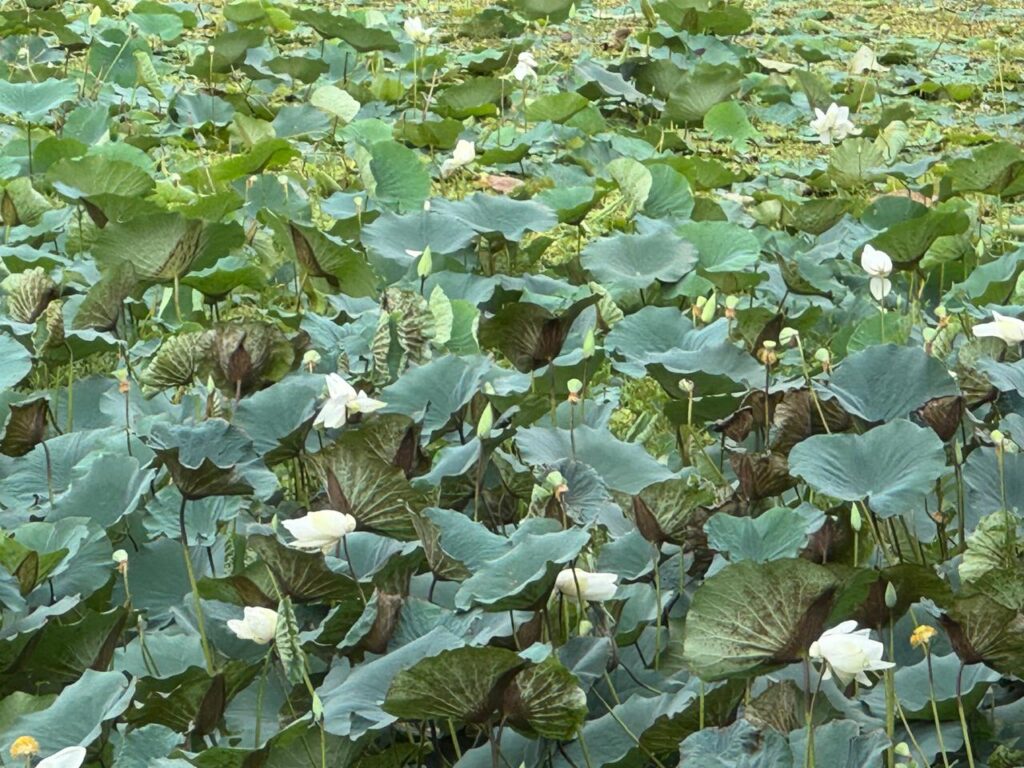
One of the lake’s most unique features is its naturally occurring indigenous white lotus population.
During the flowering season, vast stretches of the lake transform into a spectacular carpet of white blooms. Such naturally occurring lotus habitats have become increasingly rare within urban environments, making Kavesar Lake ecologically significant.
The lotus beds also provide shelter, nesting areas, and breeding grounds for numerous aquatic species.
A Haven for Birds
More than 70 bird species have been recorded in and around Kavesar Lake.
Resident and migratory birds alike depend on the wetland for food, shelter, and nesting opportunities. Early morning visitors may encounter kingfishers, egrets, herons, cormorants, jacanas, moorhens, storks, and numerous other wetland-dependent species.
Several species breed within the protective vegetation surrounding the lake.
[Insert bird photographs]
Wildlife Beyond Birds
The biodiversity of Kavesar Lake extends far beyond its avian residents.
The wetland supports fish, amphibians, reptiles, bats, insects, and small mammals. Mongoose are occasionally sighted around the lake’s wooded edges, while frogs flourish during the monsoon season.
These interconnected species together form a healthy ecosystem that contributes to the lake’s resilience and ecological value.
[Insert mongoose and habitat photographs]
Why Urban Wetlands Matter
Urban wetlands perform several vital ecological functions:
- Groundwater recharge
- Flood mitigation during heavy rainfall
- Improvement of local microclimate
- Carbon sequestration
- Habitat for wildlife
- Educational and recreational opportunities
In a rapidly growing city like Thane, such ecosystems become increasingly important as natural habitats disappear elsewhere.
A Living Classroom
For local residents, Kavesar Lake serves as more than just a scenic location.
It provides opportunities for nature walks, birdwatching, photography, environmental education, and community engagement. Children can witness wildlife and seasonal ecological changes that would otherwise remain inaccessible within an urban setting.
[Insert photograph of naturalist / author]
Conservation and the Future
Like many urban wetlands, Kavesar Lake has faced pressures arising from development and changing land-use patterns.
Recent discussions regarding beautification proposals sparked debate about balancing public access with ecological preservation. Fortunately, the proposed beautification plan was subsequently withdrawn, allowing greater focus on protecting the lake’s natural character and biodiversity.
The long-term future of Kavesar Lake will depend on sustained community stewardship, biodiversity monitoring, habitat restoration, pollution prevention, and public awareness.
A Hidden Jewel Worth Protecting
In an age when cities are steadily losing their natural spaces, Kavesar Lake stands as a reminder that nature can still thrive within urban environments.
Its white lotus blooms, rich birdlife, mature trees, and peaceful waters offer residents a glimpse of a Thane that existed long before concrete and glass reshaped the landscape.
Protecting Kavesar Lake is not merely about preserving a lake. It is about safeguarding a living ecosystem that enriches both biodiversity and human well-being.
For Thane, Kavesar Lake remains a hidden jewel — one that deserves to be celebrated, cherished, and protected for generations to come.