Why This Citizens Movement is still relevant after 2 years
Most citizen movements begin with passion.
Very few survive.
A crisis erupts, social media fills with outrage, protest marches are held, promises are made, and within months the movement fades into memory. The authorities return to business as usual, while the public moves on to the next issue.
Justice For Godbunder Road (JFGR) has been one of the rare exceptions.
More than two years after it began, the movement continues to remain relevant—not because Godbunder Road’s problems have disappeared, but because thousands of commuters still depend on it as a bridge between citizens and the authorities.
The Road That Never Stops Suffering
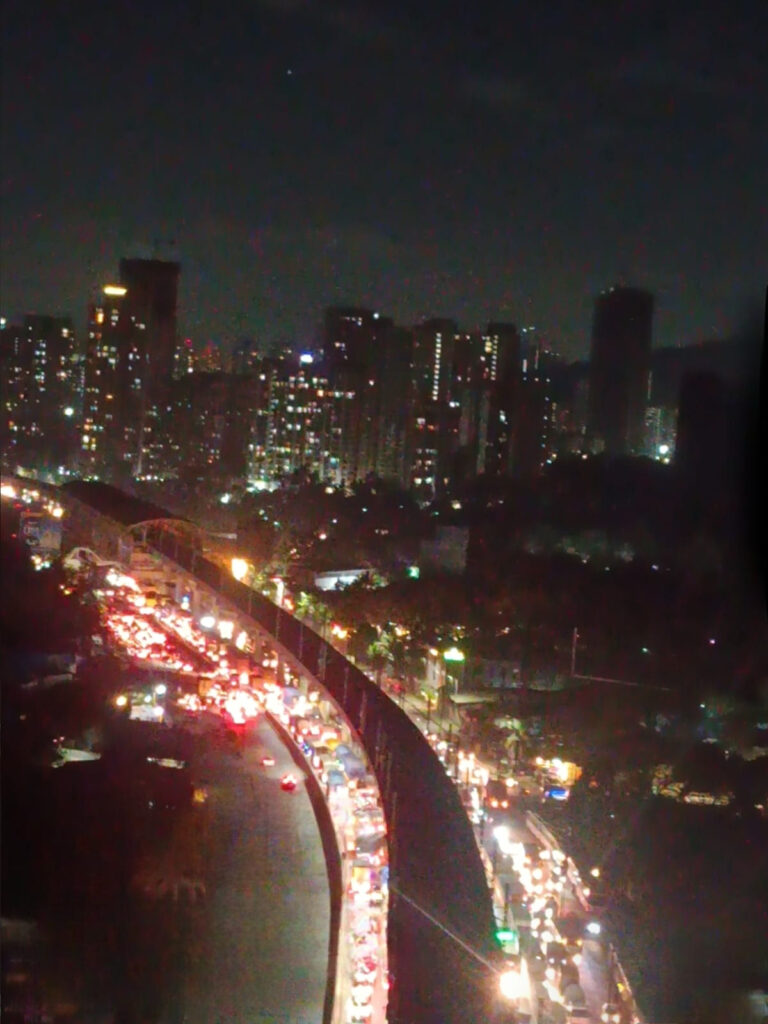
A Usual day a start of Godbunder Road – Majiwada
or over a decade, traffic on Godbunder Road has been one of the biggest civic challenges facing Thane.
Whether the situation is the result of years of poor planning, administrative delays, or simply the enormous pressure placed on the corridor, residents have paid the price every single day.
An estimated 1 to 1.2 lakh vehicles use the stretch daily, with nearly 45% being passenger cars. Besides local commuters, the road carries heavy interstate cargo connecting the Mumbai–Ahmedabad and Mumbai–Nashik highways, along with container traffic from the Jawaharlal Nehru Port.
It is one of Maharashtra’s most critical transport corridors.
Yet for years it has struggled with congestion, bottlenecks and poor traffic management.
Metro-4: A Project That Tested Public Patience
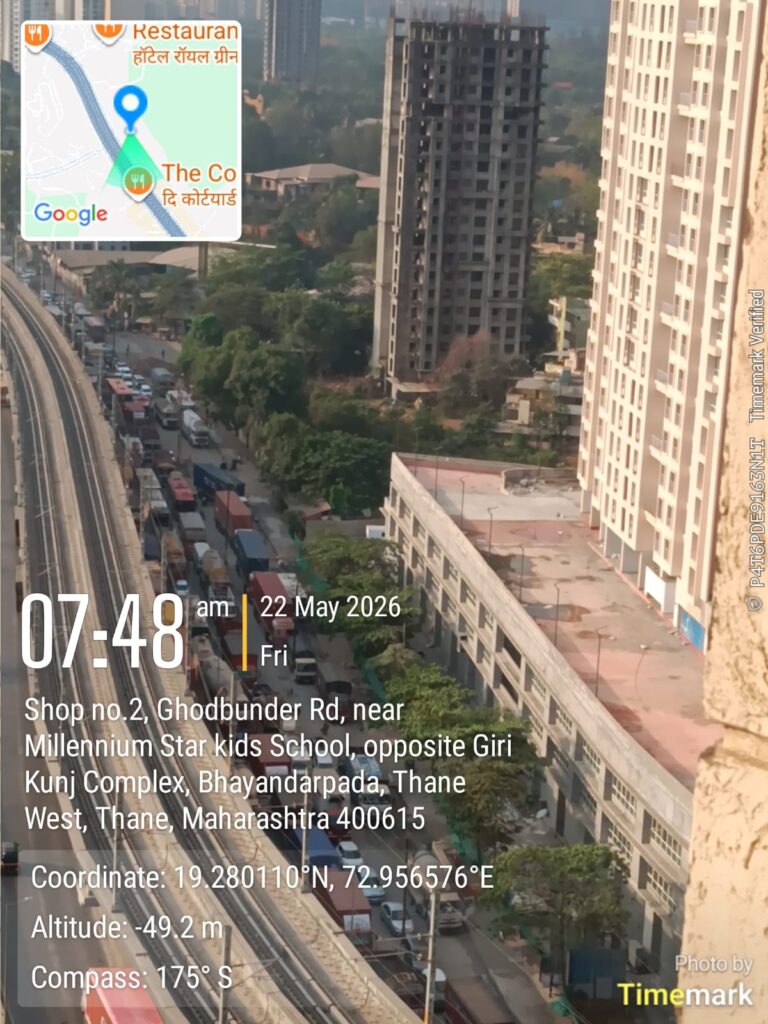
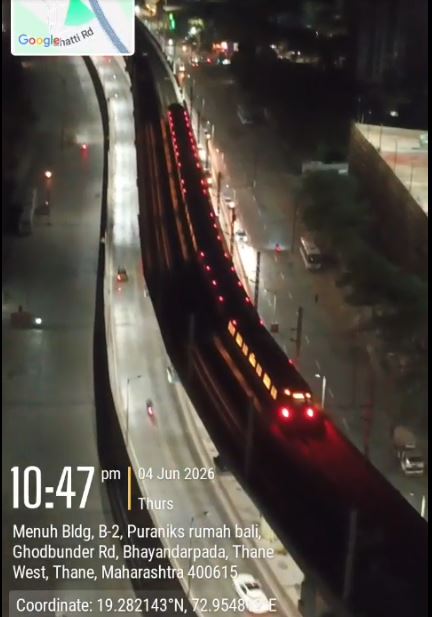
Much of the disruption has been linked to the long-running Metro-4 construction.
When work began, most residents accepted the inconvenience. Large infrastructure projects inevitably cause temporary hardships, and commuters believed the end result would significantly improve connectivity.
But “temporary” gradually stretched into years.
The project’s original completion target of March 2024 slipped repeatedly, leaving commuters wondering when normalcy would finally return.
Meanwhile, traffic conditions continued to deteriorate.
The Monsoon That Changed Everything
The monsoon of 2024 proved to be the tipping point.
Six-hour journeys between Thane and Mumbai became increasingly common.
School buses spent hours trapped in traffic.
Parents anxiously tracked buses carrying exhausted children who reached home long after sunset.
Residents across housing societies vented their frustration in WhatsApp groups, community forums and social media pages.
The anger was no longer about inconvenience.
It had become a quality-of-life issue.
The Birth of JFGR
Among the areas worst affected was Bhayanderpada, located at the far end of Godbunder Road.
It was here that journalist Shraddha Rai noticed something important.
Every housing society had its own WhatsApp group.
Every locality had its own complaints.
Everyone was suffering.
Yet everyone was fighting separately.
Instead of allowing frustrations to remain fragmented, she brought representatives from multiple local groups onto one common platform.
That platform became Justice For Godbunder Road (JFGR).
When asked what motivated her to start the movement, Shraddha Rai explained:
“There were three main reasons.
First, I witnessed the daily struggles of people on the roads—long traffic jams, poor infrastructure, safety concerns, and the impact these issues had on their lives.
Second, I have always been involved in social causes, whether helping people with road-related issues, financial grievances or exposing scams affecting ordinary citizens.
Third, since childhood I have always felt compelled to help whenever I saw people in difficulty.
Most importantly, my work has always been driven by public service, with no monetary gain involved.”
Taking the Fight to the Chief Minister
After approaching multiple departments with limited success, JFGR decided to seek intervention from the then Chief Minister, Eknath Shinde.
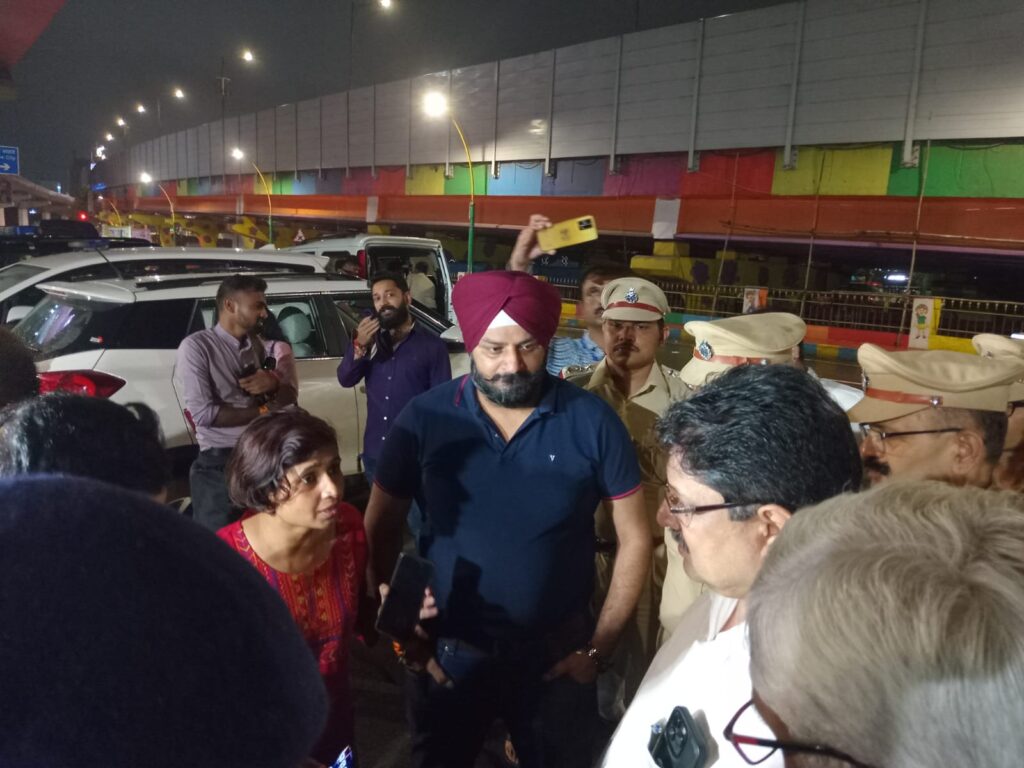
On 5 September 2024, citizens gathered outside his residence in Louiswadi hoping to present their grievances directly.
The Chief Minister did not meet the gathering that evening.
As the crowd continued to grow late into the night, tensions rose. Police warned that further escalation could invite action. However, the Chief Minister’s Personal Assistant, Mr. Patil, remained present and interacted extensively with the citizens, listening to their concerns and assuring them that the issues would be conveyed.
The core message from residents was simple.
People pay substantial property taxes.
Businesses contribute significant revenue.
Fuel taxes, GST, registration charges and toll collections generate enormous income for the government.
Then why should one of the state’s busiest roads continue to struggle with basic infrastructure and traffic management?
One concern repeatedly raised at the time was whether the movement would eventually acquire political backing.
Shraddha Rai’s response was unequivocal:
“I strongly oppose any political backing. We are a public-driven alliance.”
From Protest to Problem Solving
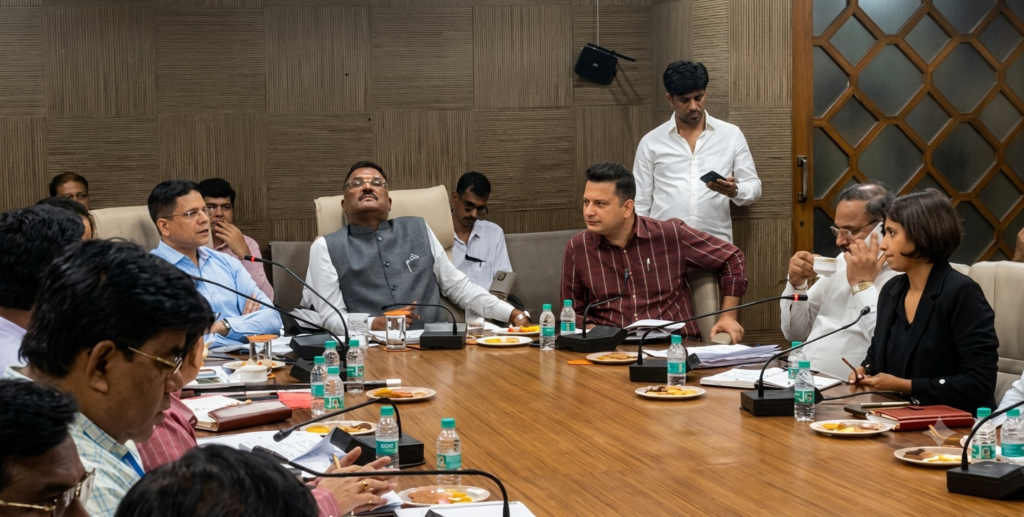
That meeting eventually led to discussions involving the Thane Municipal Commissioner and representatives from various government agencies.
While not every demand was immediately fulfilled, something important emerged.
JFGR gradually evolved from being merely a protest platform into a communication bridge between citizens and government departments.
Over time, two significant changes became visible:
- Citizens gained a more organised mechanism to report road, traffic and infrastructure issues for quicker escalation.
- Agencies including TMC, MMRDA, PWD and the Thane Traffic Police began sharing information on planned road works, diversions and maintenance activities through the group, allowing commuters to plan their journeys better.
The system is far from perfect.
But information itself became a valuable public service.
Knowing where work is taking place or where congestion is expected often saves commuters considerable time and frustration.
Why JFGR Has Survived
Most civic movements lose momentum once public anger subsides.
JFGR chose a different path.
Instead of disappearing after protests ended, it remained active every single day.
The group expanded beyond Godbunder Road to include updates from Mira Road, Kashimira, Vasai and adjoining transport corridors, creating a broader picture of regional traffic conditions.
Today, citizens frequently report accidents, stranded vehicles, signal failures and traffic bottlenecks in real time.
Authorities receive early alerts.
Breakdowns are often cleared faster.
Thousands of commuters benefit from timely information.
The movement has also gradually begun addressing other civic and social concerns beyond traffic alone.
Success Brings New Challenges
As JFGR’s popularity grew, it also attracted attempts by various individuals and groups to associate themselves with the movement.
Like many successful citizen initiatives, it has occasionally faced situations where people have attempted to use the JFGR name while promoting unrelated events or personal agendas.
There have even been attempts to claim ownership over the name itself.
However, the organisers point out that the JFGR name had already been formally registered, helping establish its identity and protect it from misuse.
A Movement That Outlived the Outrage
Perhaps JFGR’s greatest achievement is not that every traffic problem has been solved.
It hasn’t.
Metro construction delays continue.
Traffic congestion remains a daily reality.
Infrastructure challenges persist.
Its achievement lies elsewhere.
It demonstrated that sustained citizen participation can create lasting channels of communication with public authorities.
It transformed thousands of frustrated commuters into active participants in civic problem-solving.
And perhaps most importantly, it proved that a citizens’ movement does not have to disappear once the headlines fade.
Whether JFGR continues to grow or inspires similar long-term civic initiatives remains to be seen.
But two years on, one thing is already clear.
Justice For Godbunder Road is no longer just a protest.
It has become part of Thane’s civic ecosystem.